

High-risk industrial projects need morethan technical outputs. They need technical evidence that informs decisions.
Technical support can be useful withoutchanging the outcome of a project. An inspector may complete an examination, anengineer may answer a question, and a specialist may deliver a report. Eachtask can be performed correctly while the wider project remains exposed todelays, unclear decisions or inconsistent documentation.
The more important question is not whethertechnical support is available. It is whether that support helps the projectrecognise risks early, act on reliable information and maintain control asconditions change.
For high-risk industrial work, thedistinction matters. A technical finding has limited value if it reaches thewrong person, arrives after the critical decision or cannot be linked to anagreed acceptance requirement. Support begins to contribute to project riskcontrol when technical competence is connected to responsibilities, timing andexecution decisions.
The gap between a completed task and a controlled project
A project can appear well resourced andstill suffer from gaps between disciplines. Welding activities may proceedunder one schedule, NDT under another, documentation under a separate reportingprocess and engineering decisions through a different chain of communication.
These arrangements are not necessarilywrong. Specialist suppliers often provide essential independence and expertise.The risk arises when nobody has defined how their outputs will be broughttogether. An inspection report is not the same as a disposition. A qualifiedprofessional is not automatically project-ready. A documented requirement isnot proof that it has been understood at the point of execution.
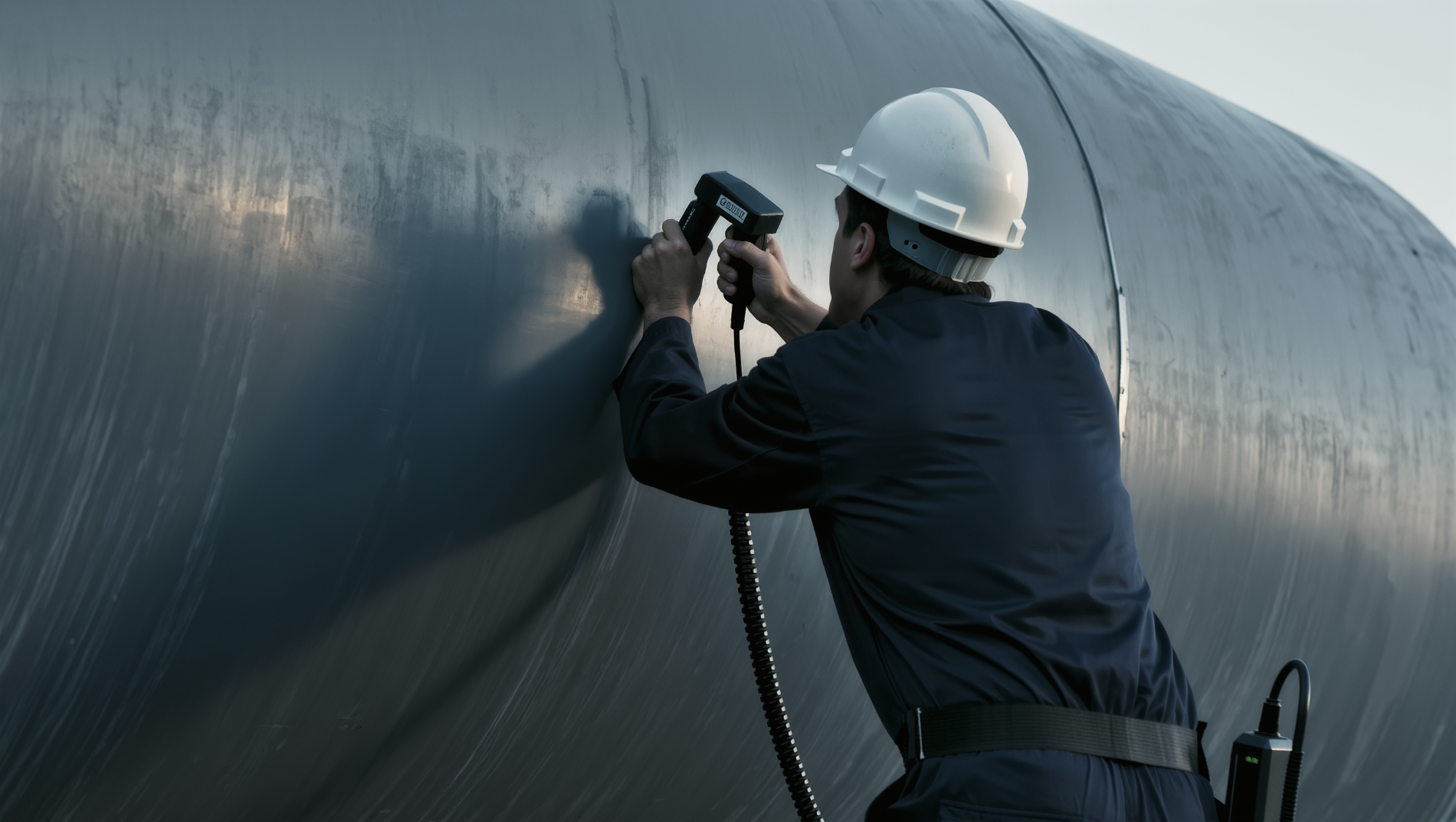
Consider a plausible, illustrativesituation: an inspection identifies an indication near the end of a fabricationwindow. The examination has been completed, but production, engineering andQA/QC do not share the same view of the applicable acceptance criteria orescalation route. Work pauses while people clarify what should already havebeen established. No single technical failure explains the delay; the interfacebetween functions does.
This is where technical support needs toconnect evidence with operational decisions rather than produce isolateddeliverables.
What changes when technical support is connected to riskcontrol
The first change is timing. Technical inputshould not be limited to finding defects after work has been completed. Earlierengagement can challenge unclear specifications, identify missing documentationand test whether the planned inspection approach is realistic. This does noteliminate uncertainty, but it provides an opportunity to address it whileoptions remain available.
The second change is traceability.Standards, inspection instructions, qualification records, findings andcorrective actions need clear links. Teams should be able to establish not onlywhat was checked, but against which requirement, by whom, at what stage andwith what outcome.
The third change is ownership. Who reviewsa technical deviation? Who may accept a change? Who informs production? Whoconfirms the final evidence is complete? The answers depend on the contract andgoverning procedures, not on slogans about taking responsibility. Clearinterfaces make technical advice actionable.
Finally, support should be proportionate tothe risk. A routine check and a potentially critical nonconformity do not needidentical escalation. The objective is a decision system that directs attentionwhere consequences may be greatest.
Quality and compliance: more than the final dossier
Quality management is sometimes treated asa set of documents that must be completed before handover. Documentation isessential, but its strongest value comes from helping control the work while ithappens.
An inspection and test plan, weldingprocedure, personnel qualification or NDT instruction is meaningful when itmatches the actual scope and is used by the people responsible for execution.Contradictions between field practice and approved documents are not merelyadministrative issues. They can complicate acceptance, trigger repeatedexaminations or require retrospective justification.
In international projects, requirements mayalso come from different codes, contractual specifications and local regulatoryconditions. Technical support should help identify which requirements apply andwhere interpretation or approval remains with the client, engineeringauthority, notified body or other designated party. No external partner canreasonably promise to remove every compliance risk. It can, however, help makeoutstanding questions visible and properly escalated.
Verified workforce: readiness is not a headcount
Workforce availability matters when aproject faces a short mobilization window or specialist inspection scope. Yet alist of available names does not establish that a team can execute safely andconsistently under the project’s requirements.
Readiness needs consideration of relevantqualifications, experience with the specified method and material, the requiredequipment, reporting expectations, access arrangements and the interface withsupervision. Where Level III oversight or specialist interpretation is needed,those responsibilities should be agreed before difficult results arise.
This is why workforce should be discussedas an operational risk rather than a recruitment metric. The issue is not onlyhow many people can arrive, but whether their competencies, instructions andreporting lines fit the work they are expected to perform. Verified WorkforceDelivery is most useful when integrated with Quality & Compliance and theactual execution plan.
When should a project involve a technical partner?
Waiting until a failed inspection ordisputed handover is sometimes unavoidable. But several earlier moments deserveattention.
**Before mobilization:** when a new scopebrings unfamiliar standards, uncertain acceptance requirements, compressedaccess windows or a mixed supplier structure.
**Before critical execution:** whenwelding, NDT, quality hold points and production priorities must align,particularly for shutdowns and time-sensitive fabrication.
**When requirements change:** if repairs,deviations, additional examinations or altered work packages affect the agreedmethods and responsibilities.
**Before closure:** where incompleteinspection records, missing traceability or unresolved nonconformities coulddelay acceptance.
The practical test is straightforward: willtechnical support be able to inform a decision while the project still has roomto respond? If the answer is yes, early involvement may be worth more thanreactive intervention.
Where the AIRIZEN operating model fits
AIRIZEN positions itself as a Technical& Compliance Partner for High-Risk Industrial Projects. Its communicationmodel brings together three connected areas: Quality & Compliance /Training, Verified Workforce Delivery and Project Responsibility.
The value of that combination is not thatone company can or should perform every role. Independent inspection,engineering approval, contractual authority and client governance may need toremain separate. The value is the ability to align the agreed technical scopewith suitable specialists, quality requirements, communication and operationalfollow-through.
Depending on the assignment, this mayinvolve support relating to procedures and documentation, QA/QC coordination,NDT expertise, Level III input or workforce mobilization. Exactresponsibilities, authority and deliverables must be specified for the projectrather than assumed from a general operating model.
“One Partner. Clear Responsibility.” istherefore most credible as an approach to defining boundaries and reducingavoidable gaps: who provides evidence, who reviews it, who decides and whocloses the action. Technical support becomes more relevant when its role inthat chain is explicit.
Questions worth asking before execution
Project Directors, Operations teams,Procurement and Technical Managers can use a few questions to test whethersupport will improve control:
• Are project-specific technicalrequirements and acceptance criteria agreed before work starts?
• Does each critical inspection or qualitydeliverable have an accountable reviewer and a defined decision path?
• Have workforce qualifications andpractical project readiness both been checked?
• Can the team connect changes in scope toupdated instructions, inspections and records?
• Are unresolved issues visible to thepeople who can authorise a response?
These questions do not prescribe oneorganisational model. They expose interfaces where fragmentation can hide evenwhen every individual supplier is performing its task.
From technical capability to operational confidence
Technical support should be judged by morethan the number of inspections completed, documents produced or specialistssupplied. Those outputs matter. But a stronger measure is whether they help theproject anticipate issues, make defensible decisions and preserve traceabilityunder pressure.
This is not an argument against specialistvendors. It is an argument for connecting specialist work to the reality ofproject execution. When responsibilities are clear, technical evidence istimely and workforce readiness is aligned with requirements, support cancontribute to risk control rather than remain another separate workstream.
How does your organisation define the pointat which technical support becomes part of project risk management? The answermay differ across projects — and that is precisely why the discussion shouldbegin before execution does.